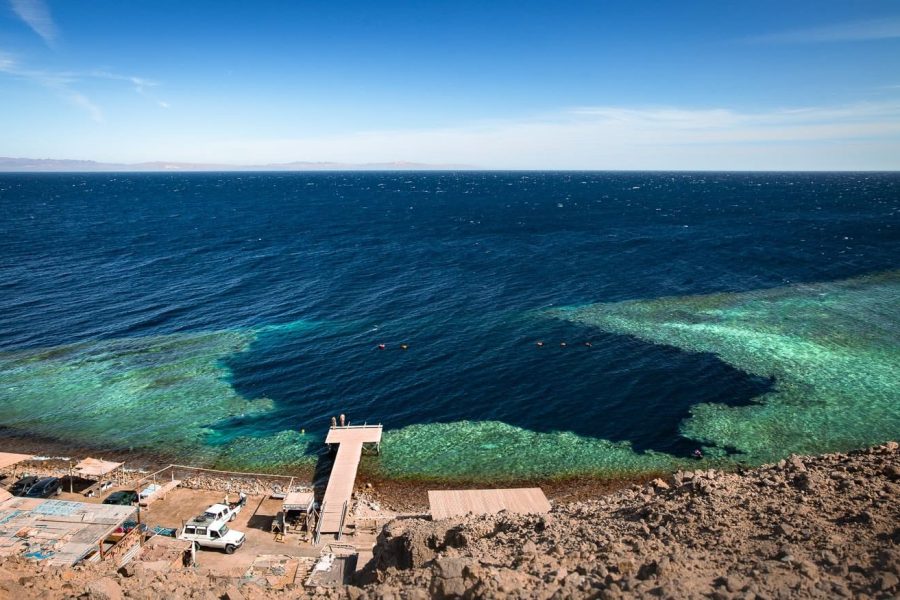
Abu Gallum (Abu Galum), also known as Abu Galoum, is a protected area and a hidden gem on the Gulf of Aqaba coastline, nestled between the famous towns of Dahab and Nuweiba. Unlike its developed neighbours, Abu Galoum remains largely pristine and inaccessible by standard vehicles, which has preserved its raw, untouched beauty.
It is best described as a place where “the mountains meet the sea.” The protectorate features a dramatic landscape of:
Pristine Coastline: A series of secluded pebble and sand coves with crystal-clear, turquoise water.
Spectacular Reefs: Some of the most vibrant and untouched coral reefs in the Red Sea, immediately accessible from the shore.
Rugged Mountains: The high, granite mountains of the Sinai interior descend directly into the sea, creating a breathtaking backdrop.
Sand Dunes: Golden sand dunes often spill directly into the water.
The only ways to reach the main beach area are by a rugged 4×4 jeep ride over a mountain track (often part of the adventure) or by a scenic one-hour camel trek from the Blue Hole area in Dahab. There is no paved road, which is key to its preservation.
The area is primarily inhabited by the Bedouin of the Muzeina tribe, who manage the small eco-tourism operations, including basic camps and guided tours.
Interesting Facts & Figures
Geography & Nature:
Size: The Abu Galoum Protectorate covers a substantial area of 500 square kilometres (193 sq mi). This includes both marine and terrestrial environments.
A Diver’s Paradise: The reef is part of the renowned Dahab Reef System. It is famous for its excellent diving and snorkelling, with easy access to deep water and stunning coral walls (drop-offs) teeming with life.
Unique Ecosystem: The area is a unique meeting point of coastal, desert, and mountain ecosystems. It hosts a variety of wildlife, including Nubian ibex, red foxes, striped hyenas, and numerous resident and migratory birds.
Plant Life: Despite the arid environment, the protectorate is home to over 160 species of desert plants, many of which are used in traditional Bedouin medicine.
Conservation & Culture:
Protected Status: Abu Galoum was declared a protected area in 1992 by the Egyptian Environmental Affairs Agency (EEAA) to conserve its unique natural and cultural heritage.
Bedouin Management: Tourism in Abu Galoum is almost exclusively run by the local Bedouin community. They offer guided camel treks, snorkelling trips, and simple overnight stays in their camps, ensuring the economic benefits go directly to them and promoting sustainable practices.
No Large Resorts: By law, there are no large hotels or luxury resorts within the protectorate. Accommodation is limited to basic, eco-friendly bamboo huts and traditional tents, helping to minimise the environmental footprint.
Visiting & Logistics:
The “Jeep Road”: The mountain track used by 4×4 vehicles is famously bumpy and slow, taking about 30-45 minutes from the Dahab checkpoint. This intentional difficulty limits the number of visitors.
Famous Dive Sites: While the entire coast is beautiful, specific points like “The Canyon” and “The Bells” are renowned dive sites within the Abu Galoum area, known for their dramatic underwater topography.
The Name: The name “Abu Galoum” is believed to be derived from a type of local grass or a former Bedouin resident of the area.
A Contrast to Sharm: Abu Galoum offers the polar opposite experience of Sharm El-Sheikh. It’s about rustic simplicity, natural beauty, and cultural immersion rather than luxury and nightlife.
In summary, Abu Galoum is a pristine sanctuary for those seeking an authentic and eco-conscious adventure away from the crowds, offering world-class snorkelling and diving in a dramatically beautiful setting.